Independent•Manufacturer-sourced•Household-first
Independent product comparisons
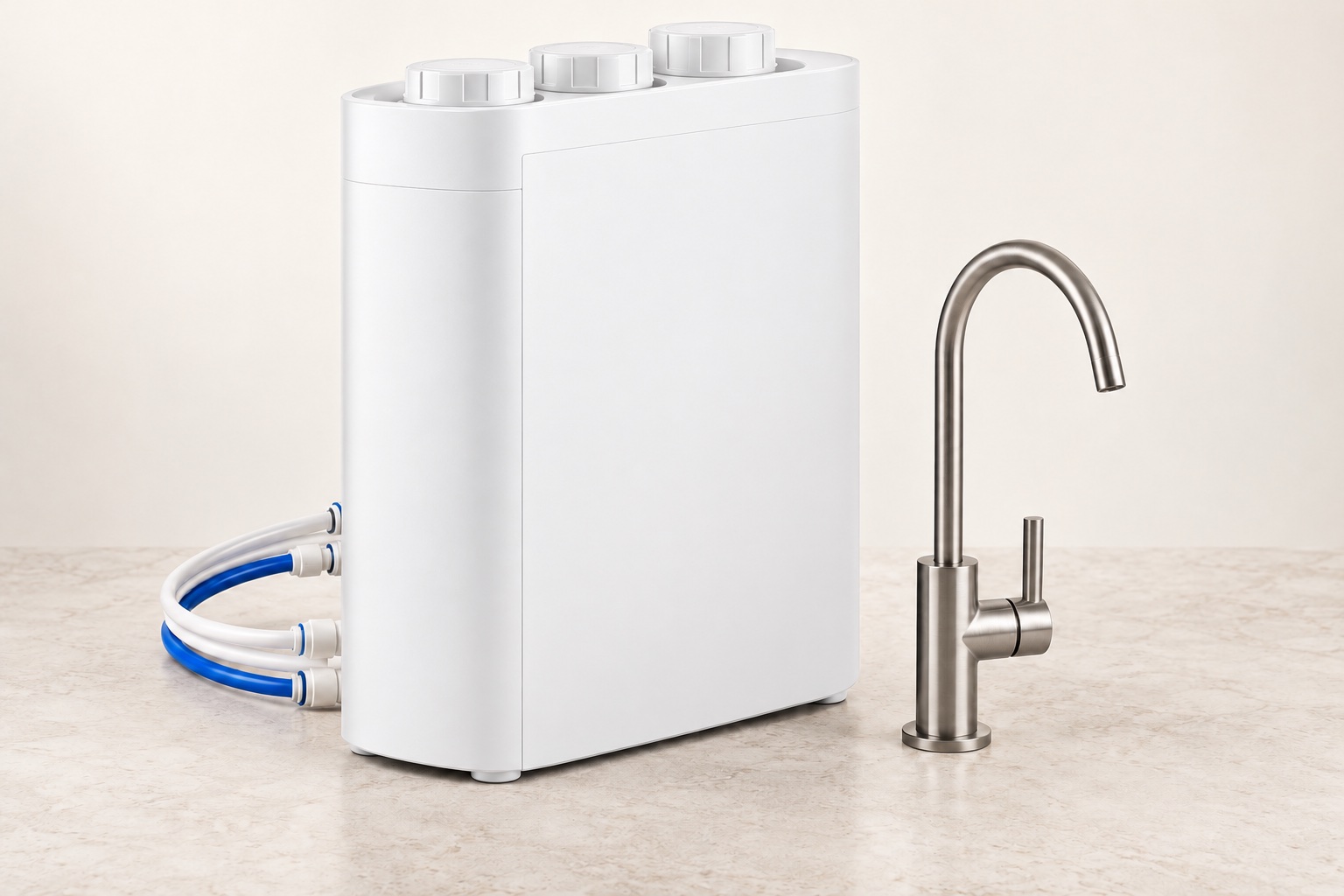
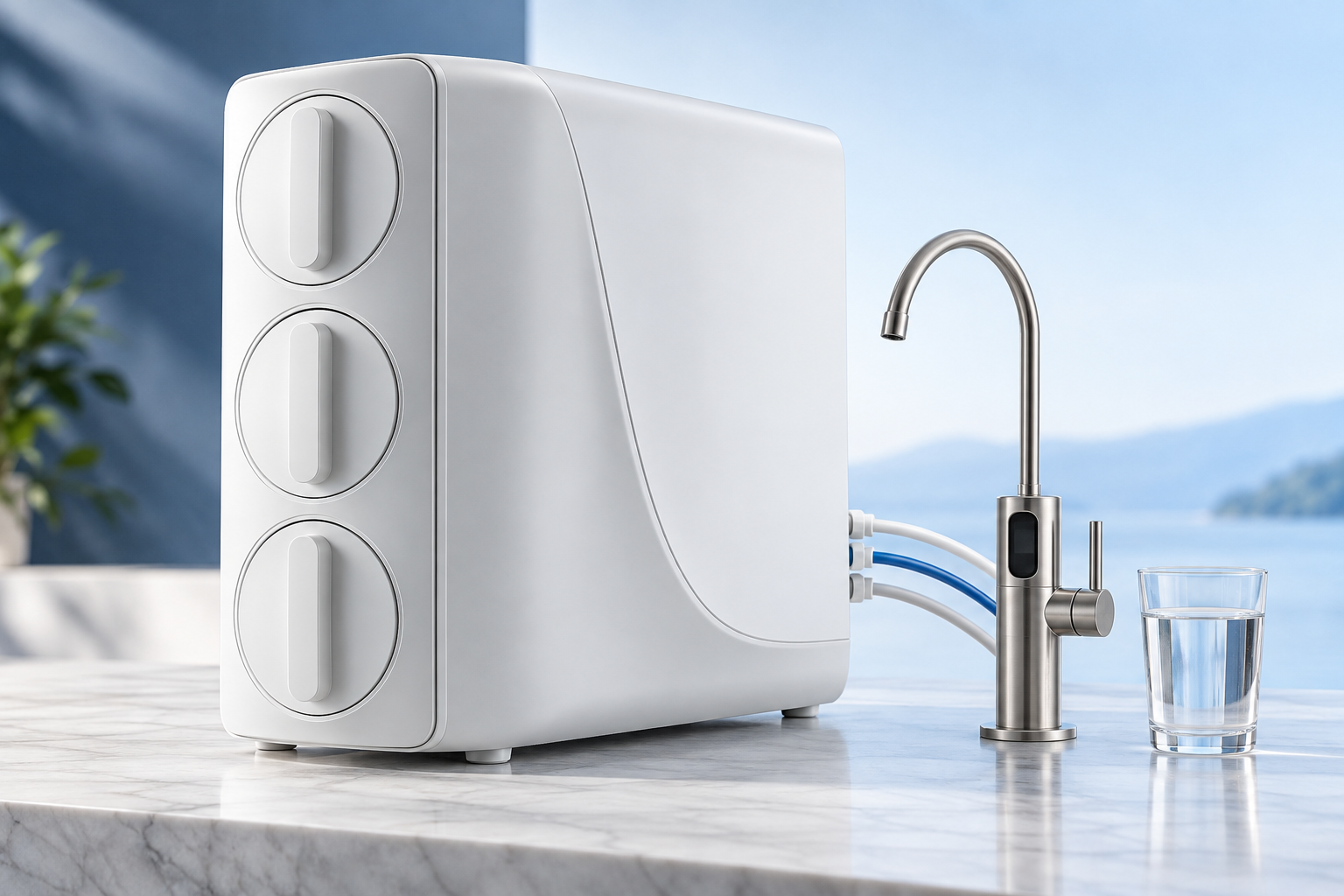
Compare Waterdrop reverse-osmosis systems.
Start with installation, realistic household demand, and replacement-filter cost. A larger capacity number is useful only when it solves a real problem in your kitchen.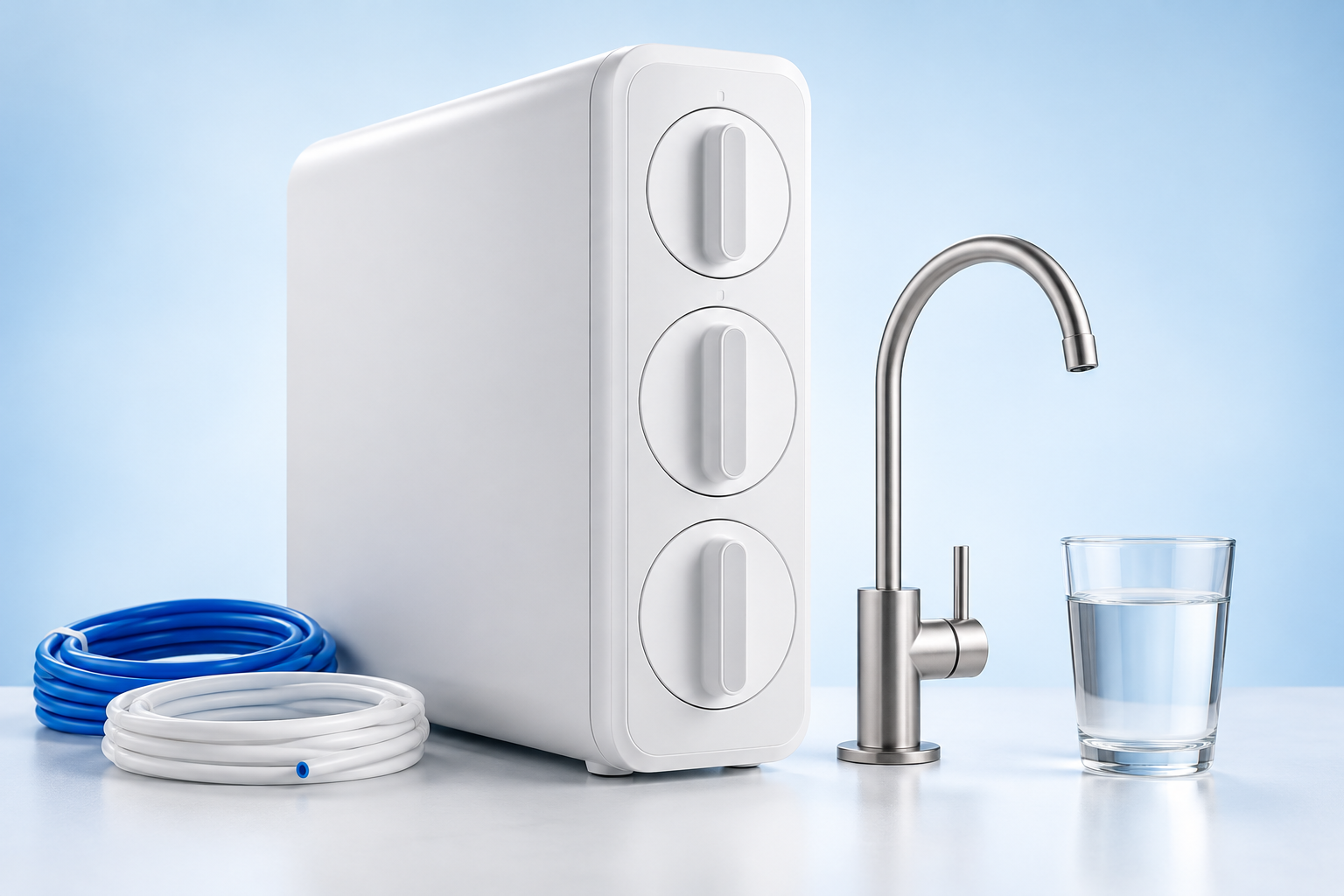
Three complete buying guides
Choose the lowest tier that comfortably fits your use.
All three are powered under-sink systems that need a cold-water connection, drain, dedicated faucet, outlet, and service clearance. The differences are mainly nominal capacity, treatment features, purchase price, and model-specific filters.Quick model comparison
Pay for useful differences, not the biggest number.
| Model | Nominal capacity | Listed pure-to-drain ratio | Standout feature | Annualized filter baseline |
|---|
| G3P600 | 600 GPD | 2:1 | Lower-cost entry to this tankless family | About $145 |
|---|
| G3P800 | 800 GPD | 3:1 | UV treatment and higher nominal output | About $160 |
|---|
| X12 | 1,200 GPD | 3:1 | Mineralization and adjustable-volume smart faucet | About $175 |
|---|
Filter totals use official prices and intervals observed October 17, 2026. They exclude tax, shipping, promotions, installation, electricity, reject water, and early replacement.